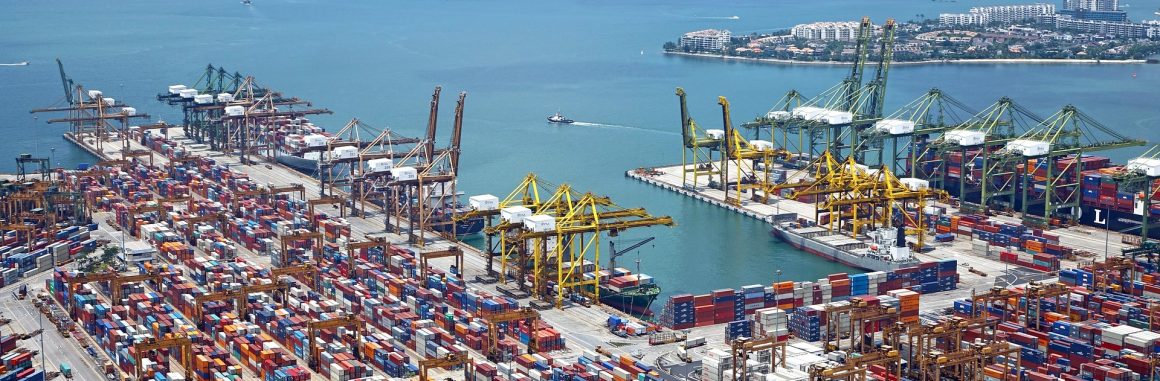
 Miami stands as a pivotal entry point for international trade, particularly for a vast array of perishable goods. The city’s strategic location, robust infrastructure, and specialized facilities at Miami International Airport (MIA) and the seaports of PortMiami and Port Everglades make it a key gateway for products that require careful handling and swift transit. U.S. Customs and Border Protection (CBP) plays a critical role in managing this flow, ensuring the safety and security of every shipment.
The Range of Perishable Imports
CBP officers in Miami handle a diverse list of perishable imports, with a particular focus on those arriving from Latin America and the Caribbean. The main categories include:
-
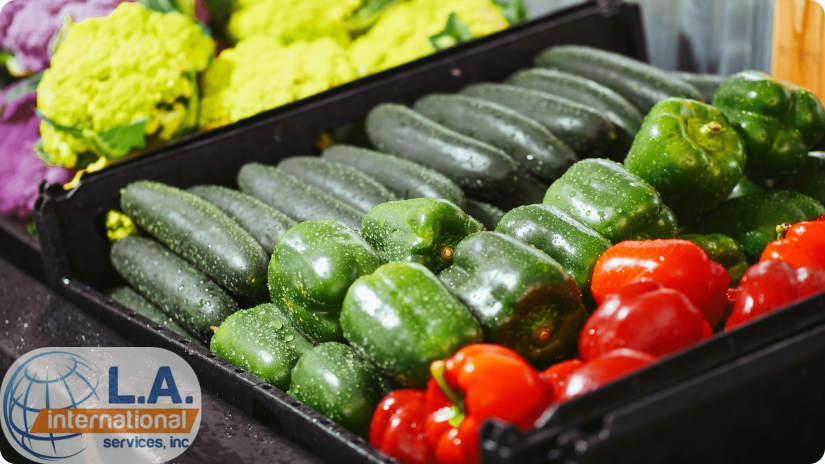
Fresh Produce: This is a cornerstone of Miami’s import economy. Products range from tropical fruits like bananas, pineapples, mangoes, and papayas to fresh vegetables such as tomatoes, cucumbers, and asparagus. Miami is a major distribution hub for these goods, which are then trucked to markets across the United States.
-
Flowers: Miami International Airport is a national leader in floral imports, handling a vast majority of all cut flowers entering the country. These delicate and time-sensitive products, primarily from countries like Colombia and Ecuador, require expedited customs clearance and specialized temperature-controlled facilities. In fact, MIA handles an estimated 91% of all U.S. air imports of flowers.
-
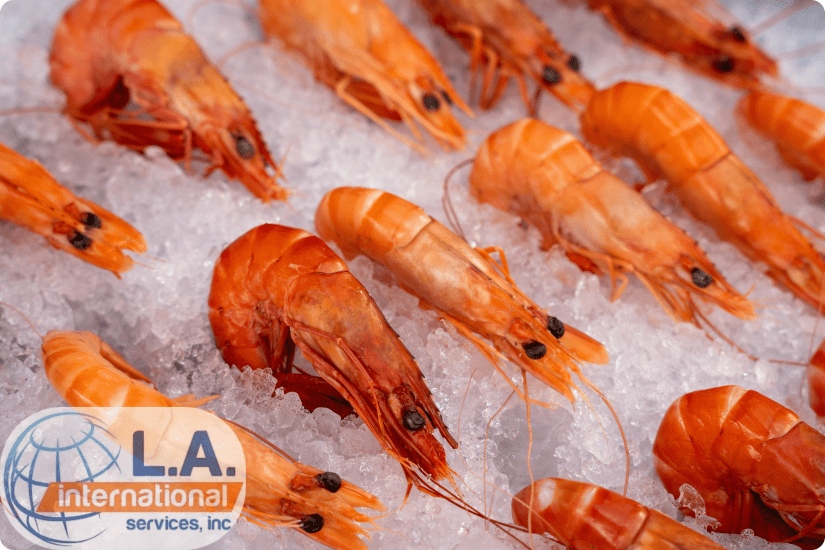
Seafood: Fresh and frozen fish, crustaceans, and other aquatic invertebrates are a significant part of the perishable imports handled in Miami.
-
Other Goods: In addition to fresh produce, flowers, and seafood, CBP also handles other temperature-controlled imports, including certain dairy products, specialty foods, and even some medical supplies and pharmaceuticals that need to be kept within a specific temperature range.
The Role of U.S. Customs and Border Protection
CBP’s job is to ensure that all these imports comply with federal regulations, which can be particularly complex for perishable items. This involves close collaboration with other government agencies, including the U.S. Food and Drug Administration (FDA) and the U.S. Department of Agriculture (USDA).
The process for clearing perishable goods is highly streamlined to prevent spoilage and delays. CBP officers conduct inspections to check for pests, diseases, and other contaminants that could pose a risk to American agriculture and public health. This process is supported by a specialized logistics ecosystem in Miami, which includes extensive cold-storage facilities, dedicated cargo handlers, and customs brokers who specialize in perishable goods. Miami International Airport, for example, has the most refrigerated on-airport cooler space of any airport in the U.S., a testament to its role as a perishable freight hub.
Looking Ahead: Investing in the Future of Perishables
The significance of Miami’s role in this sector is growing. In a major move to further solidify its position, MIA has broken ground on a new, state-of-the-art Phytosanitary Treatment and Cold Chain Processing Facility. This $141 million project, expected to open in 2027, will be the first of its kind in Florida and the largest in the U.S. It is designed to provide advanced treatments and inspection capabilities for imported agricultural products, extending their shelf life and reducing spoilage. This investment is expected to create jobs and further streamline the process for over 1.5 million tons of agricultural cargo annually, reinforcing Miami’s status as a top global hub for perishable imports.
Miami’s role as a major hub for perishable imports underscores its importance in the global supply chain. The efficient and secure handling of these goods by CBP and its partners ensures that fresh, high-quality products from around the world can quickly make their way to consumers across the nation.
Our Role: L.A. LOGISTICS MIAMI, Your Perishable Import Partner
As a U.S. Customs Broker, we at L.A. LOGISTICS MIAMI understand that every moment counts when it comes to perishable goods. We specialize in navigating the complex web of regulations that govern these sensitive shipments. Our services are designed to ensure your cargo moves through customs with speed and efficiency, minimizing the risk of costly delays and spoilage.
Our expertise includes:
-
Expedited Customs Clearance: We work closely with CBP and other agencies like the FDA and USDA to prepare all necessary documentation in advance, ensuring your perishable goods are processed quickly upon arrival.
-
Regulatory Compliance: We are experts in product classification, duty calculations, and the intricate requirements for a wide range of perishable items, from fresh flowers to frozen seafood. We help you stay compliant and avoid penalties.
-
Specialized Handling Coordination: We leverage our relationships with local cold-storage facilities, specialized carriers, and other logistics partners to ensure your products are handled with the utmost care throughout their journey.
-
Proactive Communication: We provide real-time updates and maintain a transparent line of communication so you are always aware of your shipment’s status.
 Miami Custom Broker, 10+2 ISF, Perishable Imports